A memorable venue needn’t compete with the business conversation; chosen well, it can give that conversation a more considered setting. For hosts...
A memorable venue needn’t compete with the business conversation; chosen well, it can give that conversation a more considered setting. For hosts focused on IMPRESSING INTERNATIONAL CLIENTS UK VENUE selection is about more than first impressions: it’s about making guests feel welcome while keeping the purpose of the visit clear.
A distinctive setting can still feel professional when the arrangements are clear and the schedule gives business the attention it needs. Start by considering what your guests need to feel comfortable, then choose experiences that add character without taking centre stage.
This guide explains how to assess a UK venue for a business occasion, from atmosphere and practical comfort to dining, wine and ways to extend a visit. At Quob Park, a 180-acre vineyard estate brings together corporate event packages, gourmet dining, English sparkling wine and luxury accommodation at the Old House Hotel & Spa. A place-led experience can reflect care and professionalism while keeping your business objectives firmly in view.
Key Takeaways
- Start with the business purpose, then shape the welcome and schedule to support meaningful conversation.
- For IMPRESSING INTERNATIONAL CLIENTS UK VENUE choices, weigh atmosphere and guest comfort alongside the practical needs of the occasion.
- Ask about individual preferences rather than relying on assumptions about nationality.
- Make the visit easier to navigate with a clear invitation, agenda, arrival details, dietary planning and a named host contact.
- Consider how Quob Park’s vineyard setting, dining, accommodation and corporate event packages could complement your business occasion.
Why Impressing International Clients Starts with the Experience, Not the Room
Hosting international clients can feel like a high-stakes performance. You want to make a strong first impression, but elaborate entertainment or an overfilled schedule can leave little room for the reason everyone has gathered. Decide what the visit should achieve, then let the welcome, setting and pace support that purpose.
Effective international client hospitality makes guests feel considered while giving business conversation the space and structure to move forward. That might mean a calm setting for a focused discussion or a relaxed meal that gives a developing relationship room to grow. Memorable doesn’t have to mean theatrical. Clear arrangements, attentive hosting and a well-paced itinerary often leave a stronger impression than excess.
What international guests notice about a hosted business occasion
Look at the experience from your guests’ point of view. Does the invitation explain the occasion and what to expect? Do guests know where to go and who will welcome them? Can they hear one another, settle in comfortably and take part without feeling hurried? These details show care before the formal conversation begins.
Ask about individual preferences through appropriate business communication before finalising plans. This could include dietary requirements, accessibility needs, preferred forms of address or practical arrangements that would make the visit more comfortable. Avoid assuming that nationality determines someone’s tastes or customs. A considerate welcome responds to what each person has shared rather than relying on cultural shorthand.
Clarity matters as much as warmth. Share the purpose, timings and arrival information in a straightforward way, and make sure guests know who their host is. A composed greeting and a brief explanation of the plan help guests feel welcome without pressuring them to join an activity or conversation before they’re ready.
Set the business objective before choosing a venue
Be specific about the intended outcome. Are you building rapport, discussing a potential partnership or celebrating shared work? Each objective suggests a different format. A focused discussion benefits from an environment that supports concentration; a relationship-building occasion may leave more room for conversation over dining. Start with the purpose, not the décor.
Agree internally on the next step you hope to reach and who will lead each part of the conversation. One colleague might welcome the guests, while another introduces the central topic or guides the discussion. This preparation keeps the event coherent without making it feel scripted. If you’re exploring different types of settings, the LIST OF VENUES IN THE UNITED KINGDOM can offer a broad starting point. The right choice, however, depends on the experience your objective calls for.
For anyone considering an IMPRESSING INTERNATIONAL CLIENTS UK VENUE, the room is only one part of the decision. Choose a setting and schedule that help guests feel at ease, protect time for the business purpose and create a natural opening for the next conversation.
How to Shape a Thoughtful International Client Experience in the UK
A polished client visit rarely depends on one grand gesture. It comes from decisions that work together: a clear reason to meet, a welcome suited to the guests, a setting that supports the occasion and enough breathing room for conversation. A simple planning sequence helps keep those decisions deliberate without turning the event into a procession of activities.
Define the purpose, understand your guests, select the setting, shape the schedule and prepare the follow-up. Use this sequence as a practical framework for IMPRESSING INTERNATIONAL CLIENTS UK VENUE planning. Adapt each step to the people attending and the outcome you hope to achieve.
Understand guest preferences without making assumptions
Use appropriate business communication to ask about dietary needs, accessibility requirements and practical preferences. Explain the event format in advance, including whether it involves a presentation, a meal or a hosted experience. If language comfort could affect participation, make the agenda and key information clear and easy to follow. Cultural awareness means listening to each guest, not assigning preferences based on nationality.
Consider the tone of the invitation, too. A warm, concise message can set expectations without overloading guests with detail. If organisational rules are relevant, the GOV.UK GIFTS AND HOSPITALITY POLICY offers a reference point for public-sector hospitality. Follow the guidance that applies to your organisation and guests.
Build an itinerary with room for conversation
Give the occasion a natural rhythm. A welcome lets guests settle in; a focused discussion gives the business purpose proper attention; hospitality can then create a more relaxed setting for questions and relationship-building. Make the agenda clear, but don’t schedule every moment. Unstructured time lets conversation develop without making each exchange feel like a formal negotiation.
Allow time for transitions, particularly if guests are moving between spaces or activities. Rushing from arrival straight into a presentation can make the welcome feel perfunctory. Too much unscheduled time, however, may blur the purpose. Aim for a composed balance, with a clear close and an agreed next step.
- Define the purpose: Decide whether the visit is intended to build rapport, explore a partnership or recognise shared work.
- Understand your guests: Gather relevant preferences directly and share useful information about the format.
- Select the setting: Choose a place that suits the objective and the kind of conversation you want to encourage.
- Shape the schedule: Sequence the welcome, discussion and hospitality, leaving room for unhurried exchanges.
- Prepare the follow-up: Agree who will send a message, record actions or arrange the next discussion.
Hospitality can open the door to conversation without making every moment a business exchange. A vineyard visit, for example, can give guests a shared point of interest before they turn to the meeting’s central subject. If English sparkling wine suits the occasion, explore QUOB PARK ESTATE WINES as one element of the welcome. The aim isn’t to script every interaction, but to create a setting where professional discussion and genuine rapport can sit comfortably together.
Can a Distinctive UK Venue Still Feel Right for Business?
Yes, provided the setting serves the meeting rather than becoming its main event. A vineyard or hospitality venue may feel more distinctive than a conventional meeting room, but that alone doesn’t make it suitable. Consider whether the atmosphere and format support the purpose, privacy needs and preferences of the guests.
When comparing options for IMPRESSING INTERNATIONAL CLIENTS UK VENUE planning, assess the experience each setting makes possible, not just how it looks. A conventional business environment can keep a tightly focused discussion at the centre. A distinctive venue can add character and create shared moments, particularly when the aim is to build rapport. Neither is automatically more professional; the right fit depends on the occasion.
| Consideration | Conventional business setting | Distinctive hospitality venue |
|---|---|---|
| Purpose | May suit a structured discussion or formal presentation. | May suit relationship-building alongside a clear business agenda. |
| Atmosphere | Often feels familiar and meeting-led. | Can bring a sense of place and a more relaxed tone. |
| Guest experience | Centres the visit on the meeting itself. | Can add hospitality or a shared experience to the occasion. |
Match the setting to the purpose of the meeting
Start with the agenda. If the meeting involves a focused discussion, sensitive subject matter or a formal presentation, prioritise a quiet, structured environment and establish the level of privacy required. For a relationship-building occasion, a distinctive setting can provide a natural point of connection, as long as there’s still time and space for the conversation that matters.
Use the setting to reinforce the reason guests have gathered, not compete with it. A useful test is to explain the venue choice in one sentence. If you can link it directly to the business objective or guest experience, the choice has a clear rationale.
Use hospitality to add character without overshadowing business
Food, wine or a vineyard experience can be optional parts of a business-led itinerary, rather than the whole agenda. A meal may offer a gentler setting for conversation after a formal discussion; a vineyard tour can introduce a shared subject without making every moment transactional. Quob Park’s corporate event packages, Vineyard Tour & Tasting and Gourmet Tasting Menu are options to consider when planning how hospitality could complement an occasion.
Make alcohol-free participation equally comfortable. Don’t assume every guest drinks, and never make wine tasting a condition of feeling included. The principle is attentive hosting: offer a welcoming experience without pressure and keep the business purpose clear.
For additional context on UK business etiquette and communication, consult DOING BUSINESS IN THE UK: A CULTURAL GUIDE. Use cultural guidance as background, not as a substitute for learning about the individuals attending. A distinctive venue feels credible when its character is matched by thoughtful planning, consideration for guests and a well-led agenda.
A Practical Checklist for Hosting International Clients in the UK
A calm, well-run occasion is built before guests arrive. A clear invitation, practical preparation and an attentive host make it easier for international clients to understand what to expect and focus on the visit’s purpose. Use this checklist to turn your plans into a coherent experience without making the schedule feel over-managed.
Before the event: make the essentials clear
Send an invitation that explains why you’re meeting, who will be there and what the occasion involves. Include the agenda and timings, dress expectations where relevant, and practical arrival information. If there’s a meal or hosted activity, describe it plainly so guests can prepare and understand what participation involves. Keep the language direct, especially if guests may be more comfortable communicating in another language.
- Clarify the purpose: State whether the visit centres on a discussion, relationship-building or another business objective.
- Share the plan: Set out the order of the occasion, its expected timings and any relevant dress guidance.
- Provide arrival details: Give guests the information they need to plan their journey and find the welcome point.
- Invite preferences discreetly: Offer a suitable way to share dietary requirements or accessibility needs, without asking for personal details in a group message.
- Name a host contact: Provide one person’s details for questions before the event and coordination on the day.
This preparation matters when selecting an IMPRESSING INTERNATIONAL CLIENTS UK VENUE. Guests should understand how the setting relates to the occasion rather than having to guess what awaits them.
On the day: guide the occasion with a light touch
Welcome each guest personally and introduce attendees with a concise point of context, such as their role in the conversation or connection to the project. Keep the agenda accessible to the host, not as a script to impose on everyone, but as a discreet guide to timing and priorities. If a discussion runs longer or guests need more time between activities, adjust transitions where possible instead of making the group feel hurried.
Prepare a simple contingency plan for likely schedule changes. Decide who will update attendees, which parts of the agenda can move and what information the host needs to communicate if timings shift. Keep any updates discreet and straightforward; don’t burden guests with internal coordination or unnecessary explanations.
After the occasion: carry the conversation forward
Send a sincere follow-up that reflects something specific from the discussion. Thank guests for their time, summarise agreed actions and identify who will take each next step. This gives a gracious close useful continuity and shows that the meeting had a clear business purpose.
If a vineyard setting and considered hospitality suit your plans, explore Quob Park’s CORPORATE EVENT PACKAGES as a foundation for the occasion. For a tailored next step, DISCUSS YOUR CORPORATE EVENT.
How Quob Park Can Make International Client Hosting Memorable
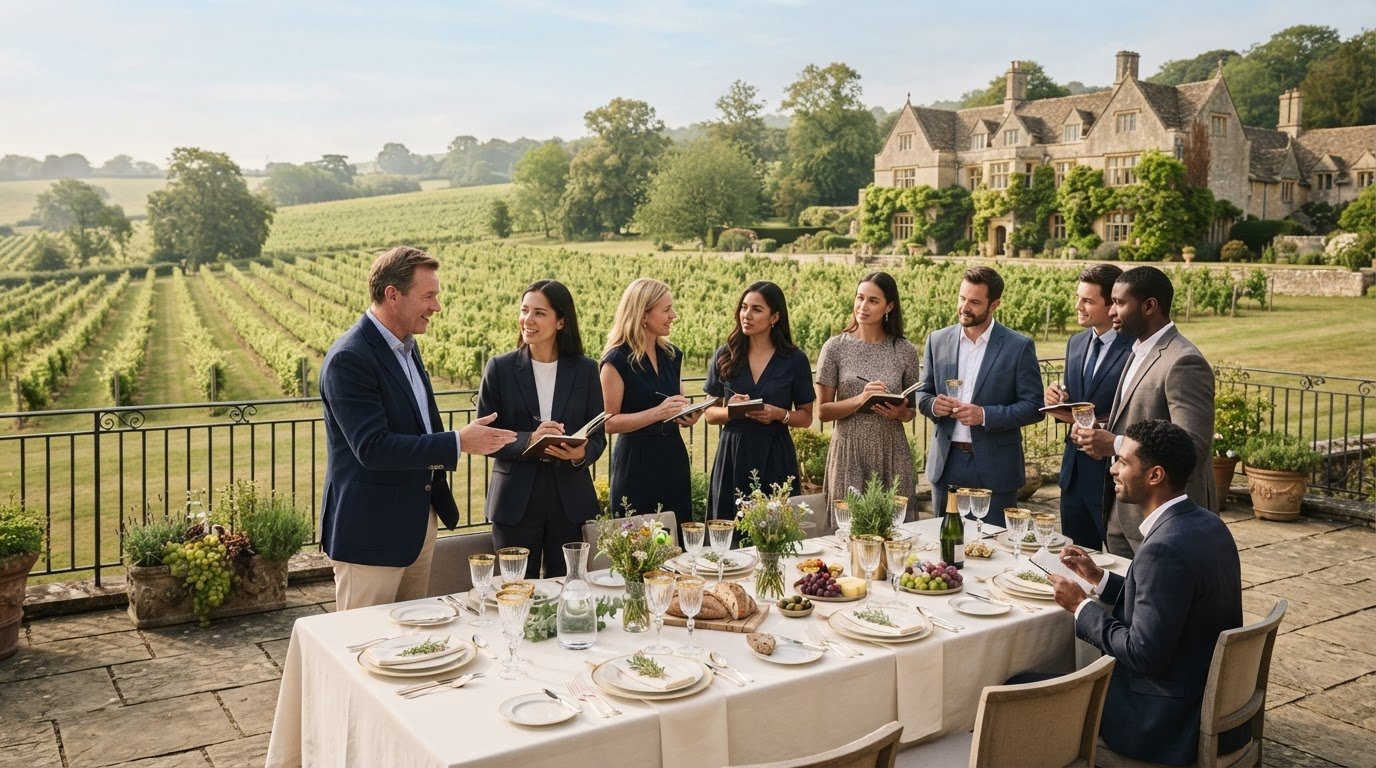
A successful hosted visit balances the business purpose with the guest experience. At Quob Park Estate, Hotel & Spa, the 180-acre estate provides a distinctive vineyard setting for a considered business occasion, with corporate event packages and hospitality that can extend the visit beyond the meeting itself. The setting adds character; a clear agenda keeps the conversation at its heart.
For hosts considering an IMPRESSING INTERNATIONAL CLIENTS UK VENUE, it helps to plan the occasion as a connected experience. A meeting might be the central purpose, while dining, wine, accommodation or wellness could play a supporting role, depending on the guests and the plan. Choose the elements that suit the visit rather than assuming every client occasion needs the same format.
A vineyard setting with hospitality beyond the meeting
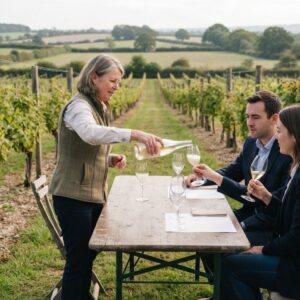
The vineyard landscape gives guests a sense of place and a subject to share, while the host keeps the business objective clear. A Vineyard Tour & Tasting can complement a visit where a shared experience suits the agenda; it needn’t replace focused discussion. Quob Park produces English sparkling wine, adding a point of provenance to the estate’s story. Learn more about ENGLISH SPARKLING WINE and its connection to the setting.
Wine should be an invitation, never an expectation. Keep the welcome and business purpose comfortable for guests who prefer not to drink, and make participation in wine tasting optional. That attentiveness helps the setting feel polished rather than overly leisure-led.
Extend the occasion with dining or an overnight stay
Gourmet dining can offer a natural change of pace after a business discussion, giving guests time to continue the conversation in a more relaxed setting. For hosts considering how a meal might complement the occasion, explore FINE DINING. The Old House Hotel & Spa provides luxury accommodation for visits that extend beyond the meeting. Bespoke wellness treatments are another possible part of a carefully planned stay, where they suit the guests and purpose.
Each element should earn its place in the itinerary. A concise business meeting might need no more than a distinctive setting; a longer visit could include dining, an overnight stay or wellness, where those choices suit the guests and purpose. Quob Park’s corporate event packages provide a starting point for bringing a business occasion into this vineyard and hospitality setting, with the experience shaped around the priorities of the visit.
Explore Quob Park Estate, Hotel & Spa as the setting for a thoughtful business occasion, and consider how its vineyard, dining, wine, accommodation and wellness can support the welcome you want to create.
Make Your Next Client Visit Count
The most thoughtful business occasions don’t need to feel elaborate. They need to feel intentional: a setting that reflects the care behind the invitation, a pace that gives conversation room to develop and a clear sense of what happens next. That is the lasting value of IMPRESSING INTERNATIONAL CLIENTS UK VENUE planning: creating an experience that feels welcoming while keeping your shared business purpose in view.
Quob Park Estate, Hotel & Spa offers a distinctive vineyard setting across its 180-acre estate, with hospitality to help shape your occasion. Let the needs of your guests and the aims of your visit guide the details.
EXPLORE CORPORATE EVENTS AT QUOB PARK and start planning a client occasion with warmth, character and room for meaningful conversation.
Frequently Asked Questions
How can I make international clients feel welcome at a UK business event?
Make the welcome personal, clear and easy to follow. Use each guest’s preferred name and form of address, introduce people with a brief note about their role, and explain any unfamiliar part of the occasion before it begins. For IMPRESSING INTERNATIONAL CLIENTS UK VENUE planning, share key details in plain language and ask whether any particular arrangements would help. Individual attention feels more genuine than assumptions about nationality.
Should I include wine when entertaining international business clients?
Wine can be an optional part of the hospitality, but it shouldn’t be central to the event or treated as a business expectation. Some guests may abstain for personal, religious, health or other reasons. Offer an equally considered non-alcoholic choice, and make it easy to decline without explanation. If wine is included, present it as an invitation, not a requirement for joining the conversation or activity.
How do I accommodate dietary requirements for international guests?
Ask each guest privately about dietary requirements and relevant preferences before settling the menu. Don’t infer needs from a person’s nationality or background; people within the same culture may eat very differently. Share the information with the person coordinating the meal, and make sure the guest can identify suitable dishes without having to explain themselves publicly. If a requirement is unclear, ask respectfully how best to accommodate it.
Can a vineyard venue work for a formal business meeting?
Yes, if the venue and event plan suit the meeting’s level of formality. Keep the core discussion clearly defined, choose a suitable setting for the conversation, and treat any vineyard experience as an optional addition rather than a substitute for the agenda. A vineyard context can lend the occasion character, while the host’s preparation, tone and meeting structure keep the business purpose central.
How much time should I allow for an international client event?
There’s no single ideal duration; base the schedule on the meeting objective, guest travel plans and chosen activities. Give the main discussion enough time to achieve its purpose, then allow for arrivals, introductions, meal service and transitions without compressing each part. Leave flexibility for a late arrival or a conversation that merits more time, and communicate the expected finish so guests can plan their onward arrangements.
Is it appropriate to give international clients a gift after an event?
It can be appropriate, but first consider the recipient’s organisation and any gift or hospitality policies that apply. A modest, thoughtful gesture may be welcomed, while an expensive or unexpected present could create discomfort or be unsuitable. If uncertain, choose a sincere follow-up note instead. Avoid presenting a gift in a way that suggests an obligation, and make sure any gesture is consistent with your organisation’s guidance.
What should I do after hosting international business clients?
Follow up with a concise message that reflects the conversation rather than sending a generic thank-you. Mention a useful point raised, confirm agreed actions and name the person responsible for each next step. If you promised to share information, include it or say when you expect to send it. This thoughtful close gives the meeting continuity and helps everyone move forward without needing to reconstruct the discussion.