What makes a seasonal menu memorable is not just the ingredients, but how they come together across a meal. The best SEASONAL FINE DINING MENU IDEAS...
What makes a seasonal menu memorable is not just the ingredients, but how they come together across a meal. The best SEASONAL FINE DINING MENU IDEAS shape each course into a graceful progression, moving from bright, delicate flavours to deeper, more comforting notes without losing harmony.
Finding inspiration in the season is the easy part. The challenge is creating a sequence that feels connected, adapting when ingredients change and avoiding familiar combinations. A thoughtful menu balances flavour, texture, temperature and richness, so every dish adds something distinct.
This guide shows how to build a coherent sequence around each season, create contrast through ingredients and preparation, and plan flexibly as availability shifts. It also considers how the setting can deepen the occasion. At Quob Park, “Your Retreat from the Everyday”, Michelin-trained chefs, a Gourmet Tasting Menu and a 180-acre estate with a potager, vineyards and orchards make dining part of a wider experience. From the first course to the final impression, discover how a seasonal meal can feel considered, expressive and of its moment.
Key Takeaways
- Build SEASONAL FINE DINING MENU IDEAS around the mood of the season, treating ingredient examples as inspiration rather than a fixed shopping list.
- Shape each course through contrasts in flavour, texture, temperature and richness, so the menu feels cohesive without becoming repetitive.
- Plan from the guest experience first, then refine the course sequence and adapt it as ingredient availability changes.
- Consider how a dining setting can add atmosphere and a sense of occasion to a seasonal menu.
Seasonal Fine Dining Menus: Why the Whole Experience Matters
A seasonal fine-dining menu is more than a collection of dishes featuring ingredients associated with a particular time of year. It is a considered progression, guided by the experience the kitchen wants to create, from the first taste to the final course. The strongest SEASONAL FINE DINING MENU IDEAS give ingredients a role in a larger story rather than letting each dish stand alone.
A collection of seasonal recipes can be a useful starting point, but it does not automatically make a menu. A sequence needs rhythm: a bright opening might lead into deeper savoury flavours, while a lighter preparation can create space before a richer course. General descriptions of FINE DINING ESTABLISHMENTS OFTEN FEATURE SEASONAL INGREDIENTS, but ingredients alone do not make a dining experience cohesive. The order, contrast and pace matter too.
What makes a seasonal menu feel considered?
Seasonality can guide flavour, texture, colour and preparation without becoming a rigid formula. A menu might evoke spring through freshness and delicacy, or autumn through warmth and savoury depth. These are creative directions, not guarantees about what is available. Each course should offer a distinct impression while sharing a thread with the others. Simply giving a dish a seasonal name is not enough: the season should be perceptible in its character and place in the meal.
Why a sequence of courses matters
A meal often begins with a lighter course, develops towards more substantial flavours and finishes with dessert. That shape gives guests time to settle into the experience. Contrast helps each course hold attention: crisp against soft, cool against warm, or a fresh note after something rich. Repeating the same intensity or texture can make even excellent dishes feel alike.
A cohesive seasonal fine-dining menu is a progression of flavours, textures and moods, shaped by the season rather than a list of ingredients. This is the difference between gathering appealing recipes and composing an experience. Consider transitions as carefully as individual plates: a fresh, precise opening could lead into a more rounded centre, while the final course might shift the sweetness or temperature.
Use seasonal inspiration as a creative compass, then adapt the details to the ingredients available and the character of the occasion. These questions can help you check whether the menu feels complete:
- Does each course offer a distinct flavour or texture?
- Does the progression move naturally from lighter to more substantial?
- Does the season inform the experience without dictating every choice?
The examples in this guide are planning prompts, not descriptions of current dishes or guarantees of ingredient availability. Use them to compose a menu with coherence and room to adapt, so the season informs the table without narrowing the chef’s creative choices.
How to Shape Seasonal Fine Dining Menus Around Flavour and Balance
When composing a menu, consider four dimensions: flavour intensity, texture, temperature and richness. Assess each course alongside the one before and after it. A delicate, aromatic opening may prepare the palate for a more savoury centre, while a crisp element can lift a softer, richer preparation. This framework keeps the menu coherent while leaving room to work with ingredients that suit the season and are available.
Balance does not mean making every course mild or similar. Acidity can sharpen richness; freshness can make savoury flavours feel more vivid; gentle sweetness can soften a pronounced note. Give each sensation a purpose rather than crowding a plate with competing contrasts. SEASONAL FINE DINING MENU IDEAS are easier to adapt when you start with the effect you want, then choose ingredients and techniques to achieve it.
Seasonal planning also invites a closer look at how an ingredient is treated. Roasting, charring, lightly curing or puréeing can change its texture and intensity, giving it a different role in a course. For a broader perspective on CHEFS LEVERAGING SEASONALITY FOR MENU DEVELOPMENT, Worldchefs explores how seasonality can inform menu choices. The practical lesson is to let availability guide creative decisions instead of forcing a fixed dish onto the menu.
Use contrast to create a satisfying progression
Imagine a restrained opening built around freshness or fragrance, followed by a course with greater savoury depth. Later, a warmer, fuller texture can feel satisfying without making earlier dishes seem redundant. Contrast can be subtle: crisp against yielding, cool against warm, or a clean, bright finish after richness. Keep the first impression measured, so it invites the guest in and leaves room for the meal to unfold.
Give every course a distinct role
Give the opening course a clear task, such as introducing freshness, aroma or a particular texture. The main course can offer greater depth and substance, supported by a preparation suited to its central role. Dessert completes the sequence: it might echo a flavour from earlier or offer a deliberate change in temperature, texture or sweetness. A course earns its place when it adds something the others do not.
Before settling the sequence, describe each course in a few words without naming ingredients. “Fresh and delicate”, “savoury and tender” or “light with a crisp finish” can reveal whether the menu repeats the same mood. If two courses sound alike, adjust their preparation, intensity or texture. This quick review helps preserve variety even as specific ingredients change.
At Quob Park, “Your Retreat from the Everyday”, dining is part of a wider estate experience. The 180-acre historic estate provides a setting in which food and wine can contribute to an occasion. Explore QUOB PARK ESTATE WINES as you consider how a wine selection might complement the character and pace of a menu.
Four-Season Fine Dining Menu Ideas Without a Rigid Ingredient List
The seasons can influence a menu’s character without dictating a fixed list of ingredients. First decide what feeling you want to create, then use flavour, texture and preparation to express it. The SEASONAL FINE DINING MENU IDEAS below are adaptable prompts: they suggest directions for planning, not guaranteed produce or dishes for a particular venue.
Spring and summer often invite a lighter, more luminous mood; autumn and winter can welcome deeper flavours and comforting textures. These are creative distinctions, not strict rules. A chef can bring delicacy to a colder-season menu or restraint to a richer one, depending on the occasion and available ingredients.
| Season | Menu mood | Possible flavour direction | Course-planning prompt |
|---|---|---|---|
| Spring | Fresh, delicate, newly expressive | Herbal notes, gentle acidity, green or floral character | How might the opening introduce freshness, then make room for a more savoury centre? |
| Summer | Bright, lively, quietly generous | Juicy, fragrant, crisp or lightly tart sensations | Could a cool or crisp texture bring contrast before a warmer, fuller course? |
| Autumn | Rounded, mellow, gently warming | Earthy savouriness, toasted notes, balanced sweetness | How can a carefully prepared ingredient add depth without making every course feel rich? |
| Winter | Comforting, composed, layered | Deep savoury flavours, aromatic warmth, restrained sweetness | Where could a lighter note or sharper finish keep the sequence poised? |
Spring and summer: build brightness and delicacy
For spring, consider how freshness, herbs or gentle acidity could create an inviting first impression, with finer textures that feel light on the palate. A summer menu might carry that brightness into a vivid, relaxed mood, balancing fragrant or juicy qualities with crispness. Rather than treating a particular ingredient as essential, describe the effect you want and let the kitchen interpret it with suitable, available ingredients.
Autumn and winter: bring depth and warmth
Autumn can suggest a transition towards savoury depth and rounded flavours, while winter may inspire warmth, aromatic notes and more comforting preparations. Roasting, slow cooking or a smooth purée can change an ingredient’s character, but the technique should support the menu’s balance rather than make every course heavy. Vary texture and intensity deliberately as the meal unfolds.
Let the season guide the menu’s mood, while the ingredients and techniques remain free to change. That principle keeps a seasonal concept distinctive without tying it to produce that may not be available. When sketching ideas, use language such as “could suggest”, “might bring” or “offers a direction”. This keeps examples useful as inspiration rather than presenting them as current dishes or a fixed seasonal menu.
A Practical Framework for Planning a Seasonal Fine Dining Menu
Turn SEASONAL FINE DINING MENU IDEAS into a workable plan by starting with the guest experience, not a list of ingredients. Decide whether the occasion calls for a light, celebratory progression or a more intimate, leisurely meal. Once that intention is clear, the season can shape the menu’s mood and guide choices without dictating every course.
Turn a seasonal idea into a menu sequence
Work through these stages in order. Each decision gives the next one a clearer purpose, helping turn inspiration into a coherent meal while leaving room for the kitchen to adapt.
- Define the occasion. Consider the atmosphere you want guests to remember: lively and bright, quietly elegant or warmly indulgent. Decide how many courses you are planning, since the length of the meal affects its pace and how flavours can build.
- Choose a seasonal direction. Set a broad creative mood, such as freshness, aromatic delicacy or savoury warmth. Treat it as a guiding idea, not a promise that particular ingredients will be available.
- Give each course a role. Map the sequence before settling on individual dishes. An opening might introduce freshness or aroma; a central course can add depth and substance; a final course should leave a considered impression.
- Review the balance. Look across the menu for shifts in flavour intensity, richness, texture and temperature. If several courses feel soft, rich or similarly savoury, adjust their preparation or introduce a contrasting quality.
- Plan for guests. Consider dietary needs early, so they inform the composition of the meal rather than becoming a last-minute afterthought. Build the plan with care instead of assuming every request can be met in the same way.
- Leave room to adapt. Keep the intended character of each course clear while allowing ingredient choices to change. If an ingredient is unsuitable or unavailable, preserve the role it played, such as freshness, acidity or a particular texture, and consider another way to achieve that effect.
Keep the plan flexible and guest-aware
Once the menu concept and course sequence are in place, consider wine as part of the wider meal. Think about how the atmosphere and progression might sit alongside the wine experience, rather than choosing a bottle first and forcing the food to follow. For background on English sparkling wine, explore THE DEFINITIVE GUIDE TO ENGLISH SPARKLING WINE. Detailed pairing decisions can be made separately from this planning framework.
Before finalising the plan, read it from the guest’s point of view. Does the sequence have a clear beginning, development and finish? Does each course feel distinct, and can the menu retain its character if ingredients change? These checks help make the experience feel intentional rather than assembled from unrelated recipes.
To experience a menu shaped as part of a considered dining occasion, EXPLORE THE GOURMET TASTING MENU.
Experience Seasonal Fine Dining at Quob Park Estate
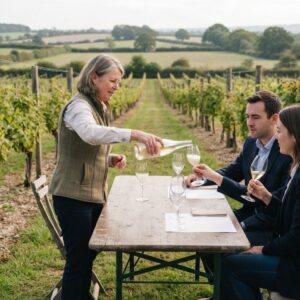
Seasonal dining is shaped by more than what appears on the plate. At Quob Park, “Your Retreat from the Everyday”, the setting offers a distinctive sense of place: a 180-acre historic estate with organic kitchen gardens, known as a potager, alongside vineyards and orchards. These surroundings frame the dining experience without implying that estate produce features in a particular dish.
Dining experiences are delivered by Michelin-trained chefs and include the Gourmet Tasting Menu. It is a named way to enjoy fine dining at the estate, while the wider occasion takes in the setting and hospitality. For a broader introduction, explore FINE DINING AT QUOB PARK.
A seasonal dining experience shaped by its setting
The potager, vineyards and orchards connect the estate with the changing seasons. They provide context for an occasion rooted in its surroundings, while the menu speaks through the chef’s choices. A sense of place can enrich the experience without making assumptions about ingredient sourcing or promising particular seasonal dishes.
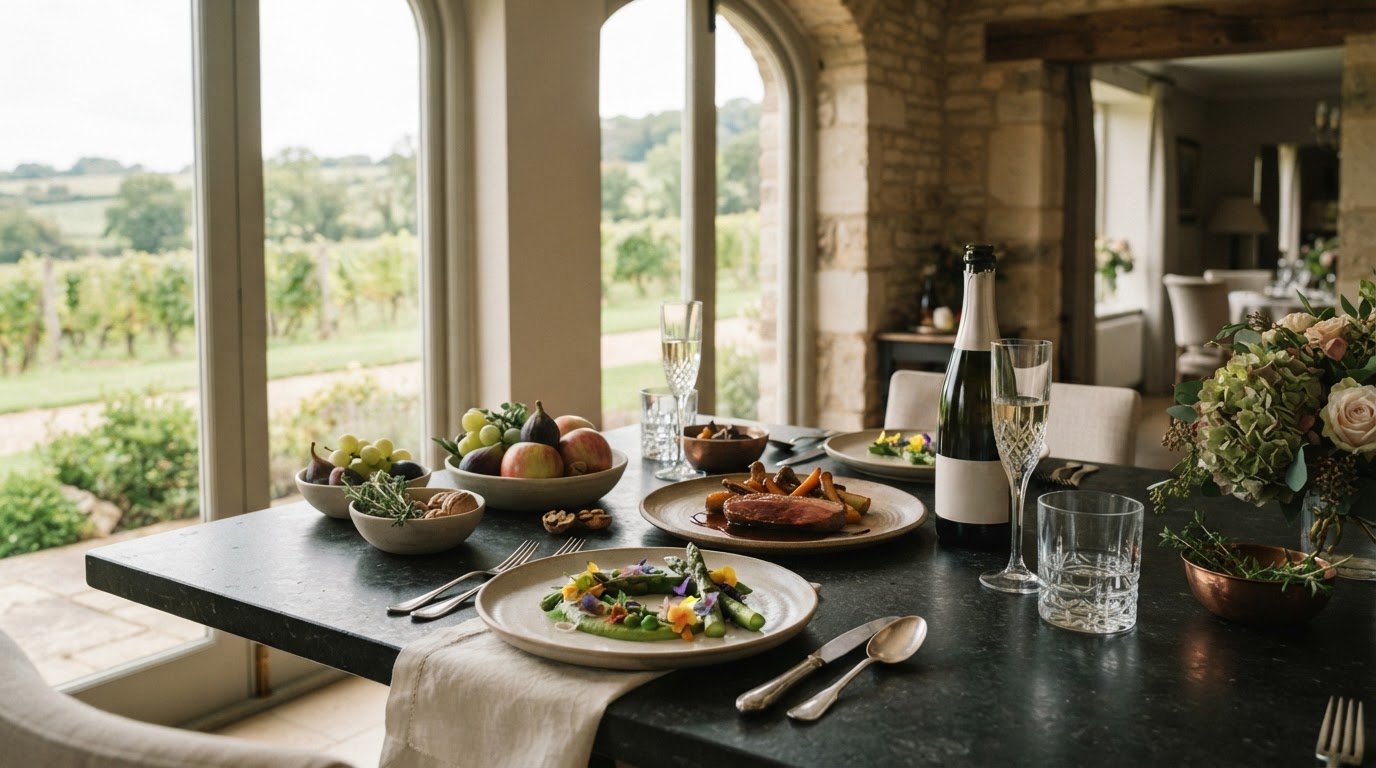
For readers exploring SEASONAL FINE DINING MENU IDEAS, Quob Park offers an example of a meal within a broader destination experience. The Gourmet Tasting Menu is part of that picture, alongside the atmosphere of the historic estate. Rather than imagining a fixed sequence of plates, consider how setting, service and food can work together to make an occasion feel considered and memorable.
Bring the menu and wine experience together
Wine can add another dimension to a meal, complementing its pace and overall character. Quob Park’s selection includes “1,000s of Wines by the Bottle” and “100s of Wines available by the Glass”. Guests can explore wine as part of a dining occasion without needing prescribed pairings for unspecified dishes.
As you consider how wine might sit alongside a thoughtfully composed meal, explore QUOB PARK ESTATE WINES. The estate’s winery and vineyards form part of its wider setting, while the wine selection offers another point of interest alongside its dining experiences.
For a closer sense of the estate’s dining experience, DISCOVER FINE DINING AT QUOB PARK.
Let the Next Season Inspire Your Table
A seasonal menu need not be reinvented from the ground up each time the calendar turns. Treat it as a living expression of the moment: keep the atmosphere and rhythm you want guests to experience, then let changing ingredients suggest new ways to create contrast and surprise. This approach makes SEASONAL FINE DINING MENU IDEAS useful beyond a single menu, offering a creative framework that can evolve while retaining a distinctive point of view.
For your next occasion, start with one question: what should guests remember when they leave the table? Let the answer shape the menu’s character, then refine the details with care. A thoughtful meal can make the changing season feel present without relying on predictable ingredients or a fixed formula.
At Quob Park, that spirit of considered hospitality is part of “Your Retreat from the Everyday”. Discover how the estate’s dining and wine experiences can make an occasion feel unhurried and memorable.
DISCOVER QUOB PARK’S DINING EXPERIENCES and let the next season set a new tone for your table.
Frequently Asked Questions
Can a seasonal fine-dining menu accommodate vegetarian guests?
Yes. Consider vegetarian guests from the outset, with courses designed to feel purposeful rather than like an alternative added at the last moment. For example, build the central course around a satisfying vegetarian preparation, then make sure the opening and finish feel equally considered. Discuss dietary needs during planning and review ingredients and preparation methods across the menu so the guest’s experience feels complete.
How often should a restaurant refresh its seasonal menu?
There is no universal timetable for refreshing a seasonal menu. Review it when the kitchen notices a meaningful shift in ingredient suitability, guest feedback or the menu’s overall direction. A dish can remain if it still serves the experience well; another may need reconsideration if it no longer fits. Assess the menu as a whole and make changes for a clear culinary reason, not simply to create novelty.
What makes a seasonal fine-dining menu different from a seasonal recipe collection?
A recipe collection helps cooks find individual dishes, while a fine-dining menu is composed for a particular occasion and shaped as a complete experience. One practical test is to read the proposed courses in order and ask what each contributes that the next does not. A collection might bring together appealing seasonal recipes; a menu considers whether their sequence, scale and overall character feel deliberate for the guests at the table.
How can a seasonal menu feel varied without using many different ingredients?
Use a smaller selection of ingredients with distinct purposes and preparations. An ingredient might offer freshness in one course and a deeper, softer character elsewhere, while a change in temperature or cut creates another impression. This can limit repetition without requiring an extensive list. SEASONAL FINE DINING MENU IDEAS can start with a short set of flavour intentions, then use technique and course roles to make each plate feel individual.
Should the wine selection change with a seasonal fine-dining menu?
It can, but the wine list need not change simply because the menu does. Consider whether the meal’s overall style calls for freshness, weight or savoury character, then review the selection in that context. A wine need not mirror every ingredient to belong at the table. Keeping the broader flavour direction in view can help the wine choice feel connected without making the pairing overly prescriptive.
How can a seasonal fine-dining menu remain flexible when ingredients change?
Write a brief for each course that describes its purpose, such as providing a fresh opening or a more substantial centre, rather than making one ingredient indispensable. If an ingredient changes, compare the alternative with that brief and consider how it affects the other courses. This makes substitutions more thoughtful: the menu can evolve in its details while retaining a clear identity and a considered experience for guests.